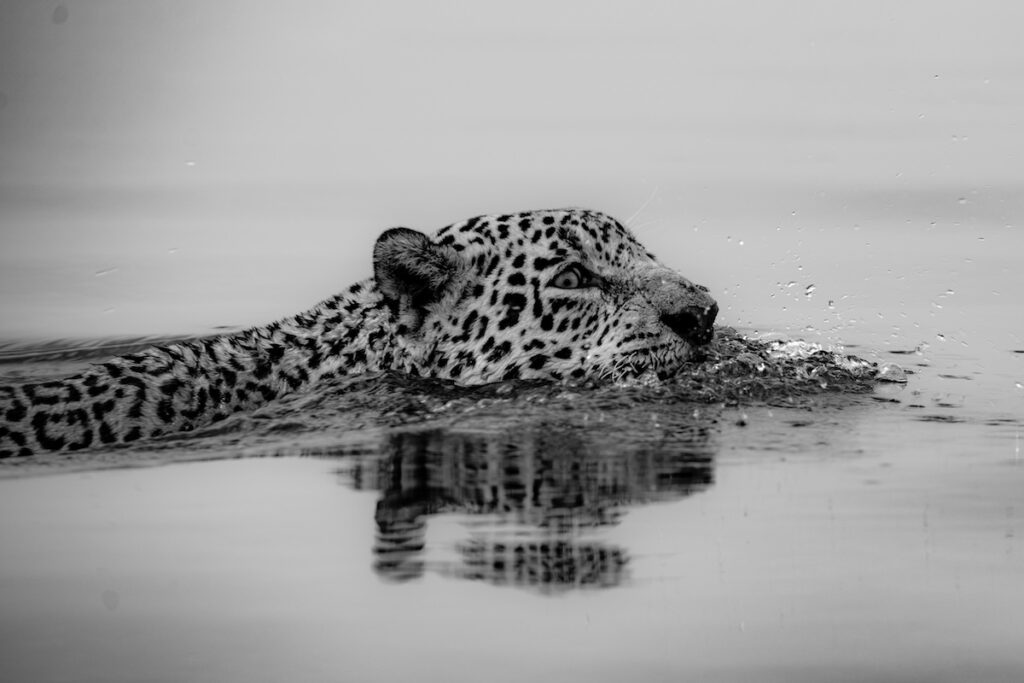
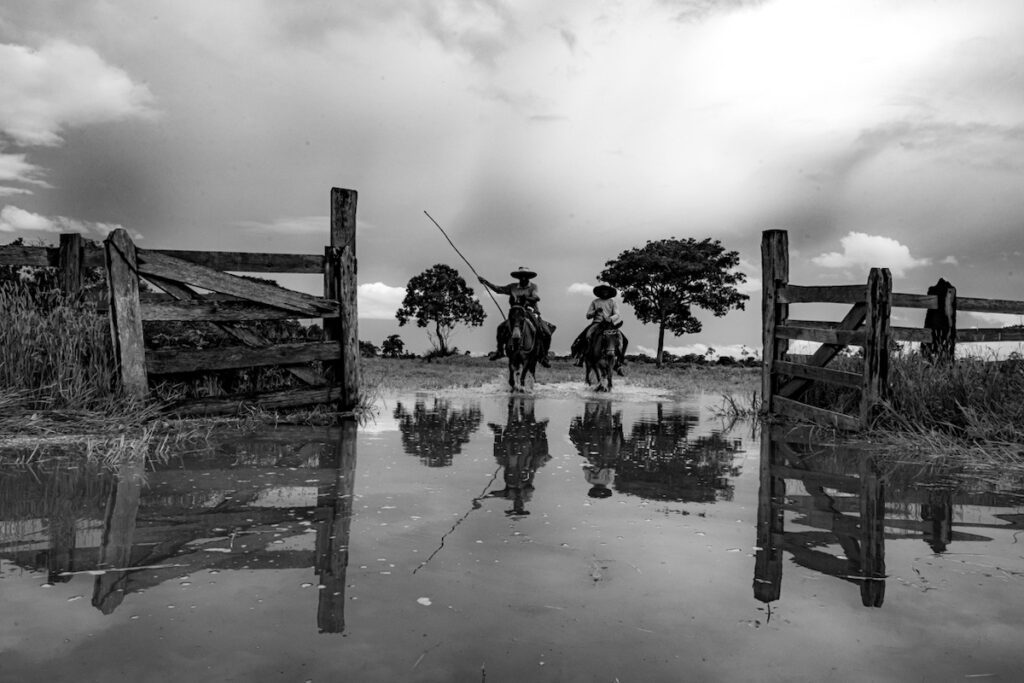
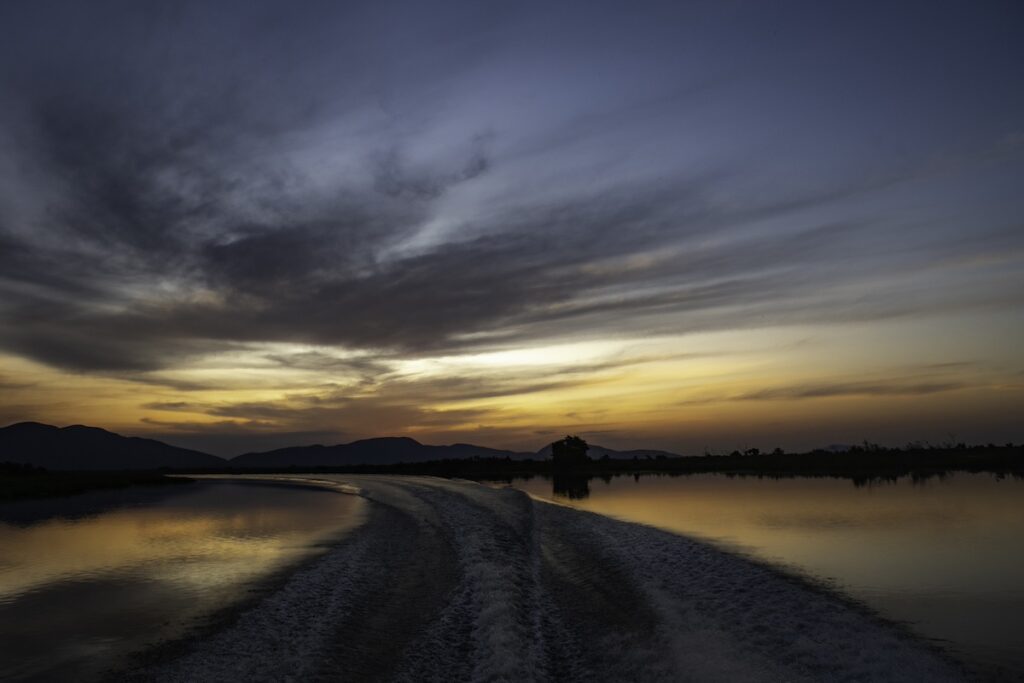
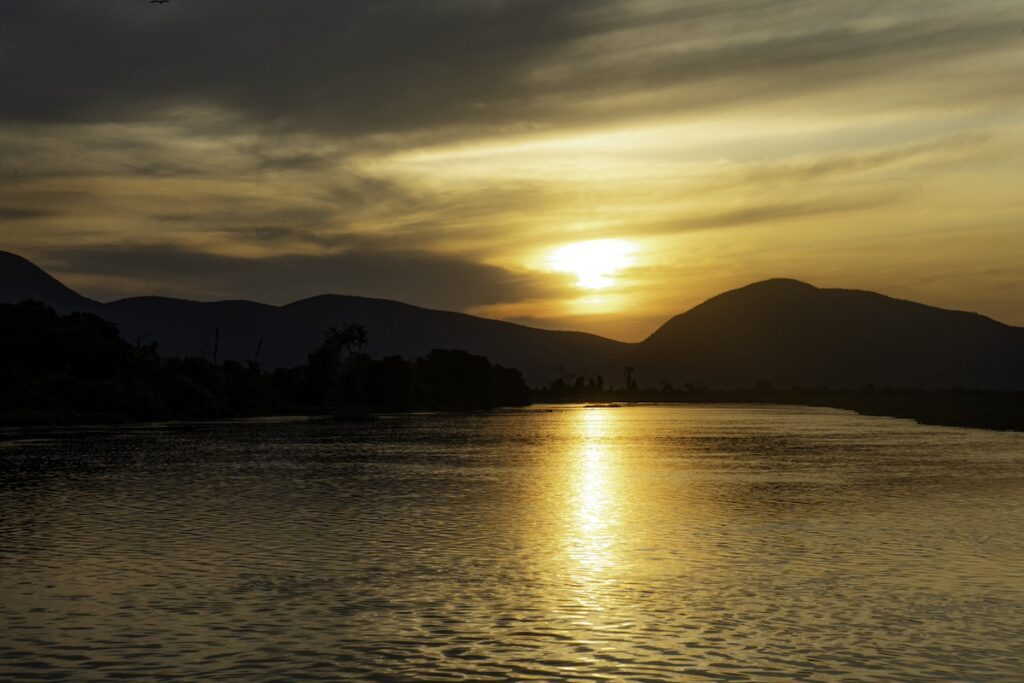
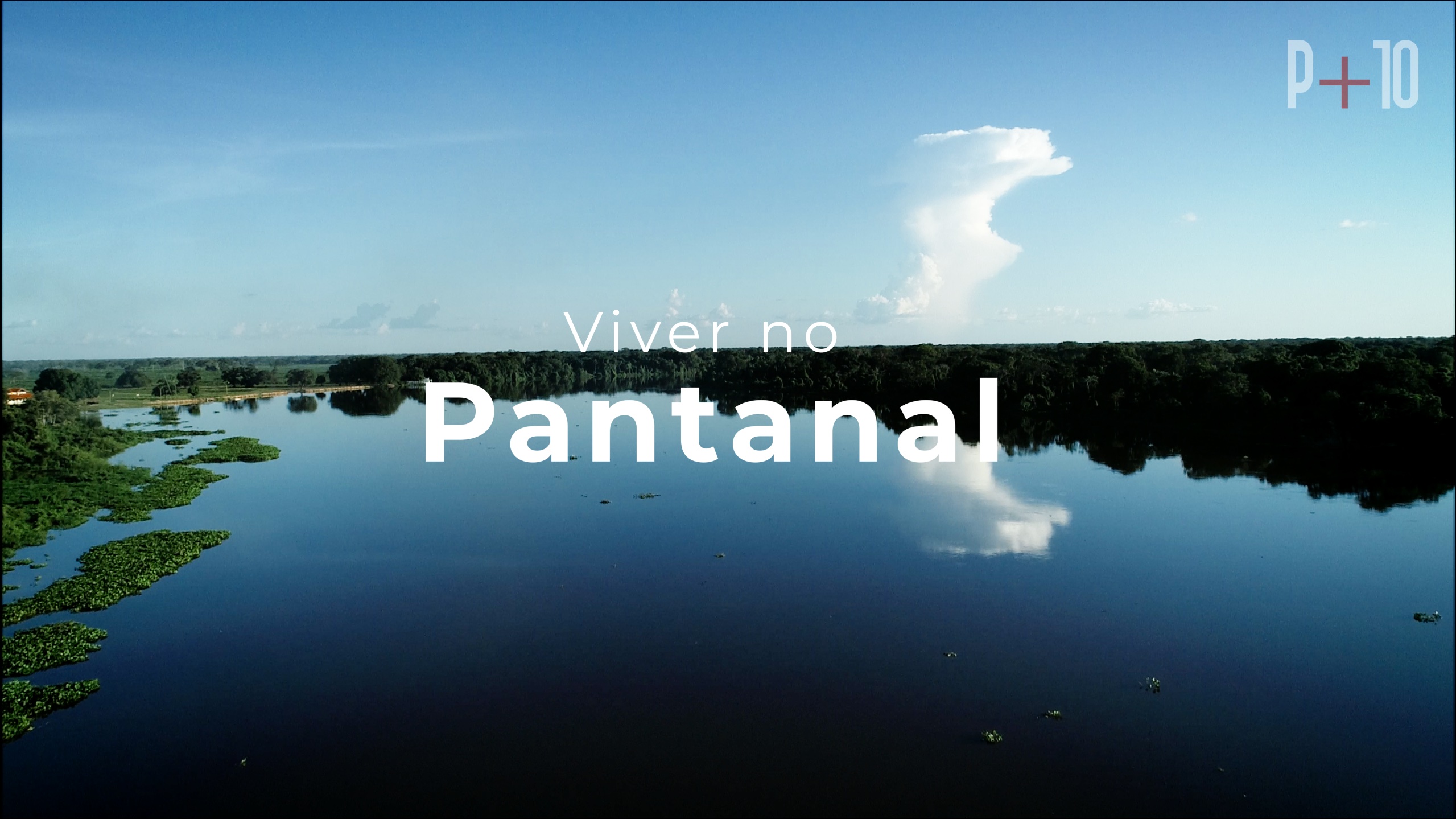
Em sua segunda fase, concentra-se na dinâmica hídrica do Pantanal, para ilustrar como as atividades humanas afetam as águas e as comunidades ribeirinhas. O foco é a interação entre a estética natural, a vulnerabilidade ecológica e os desafios dos habitantes locais no manejo das águas.
O Pantanal depende da saúde de seus cursos d’água para preservar seu equilíbrio ecológico. A ênfase nas questões hídricas destaca problemas ambientais significativos, como a redução de 61% na superfície de água do Pantanal nos últimos 30 anos.
Esta diminuição não somente compromete a biodiversidade, mas também o estilo de vida dos pantaneiros, profundamente ligados às águas da região. Práticas como desmatamento, agricultura intensiva, construção de hidrelétricas e atividades de garimpo alteram o regime hídrico do Pantanal, afetando o fluxo dos rios e as inundações sazonais vitais para a saúde dos habitats aquáticos. Além dos danos à flora e fauna, essas mudanças ameaçam a sobrevivência de tradições culturais, como as comitivas pantaneiras que dependem das planícies inundáveis para o manejo do gado.